
Residential Memory Support
Nashville’s Elevated Memory Support
Abe’s Garden Memory Support Center of Excellence
Abe’s Garden Memory Support is an I’m Still Here® Center of Excellence certified by the Hearthstone Institute due to its commitment to offering opportunities that create positive, fulfilling experiences that enable people with cognitive disorders to live engaged and purposeful lives.
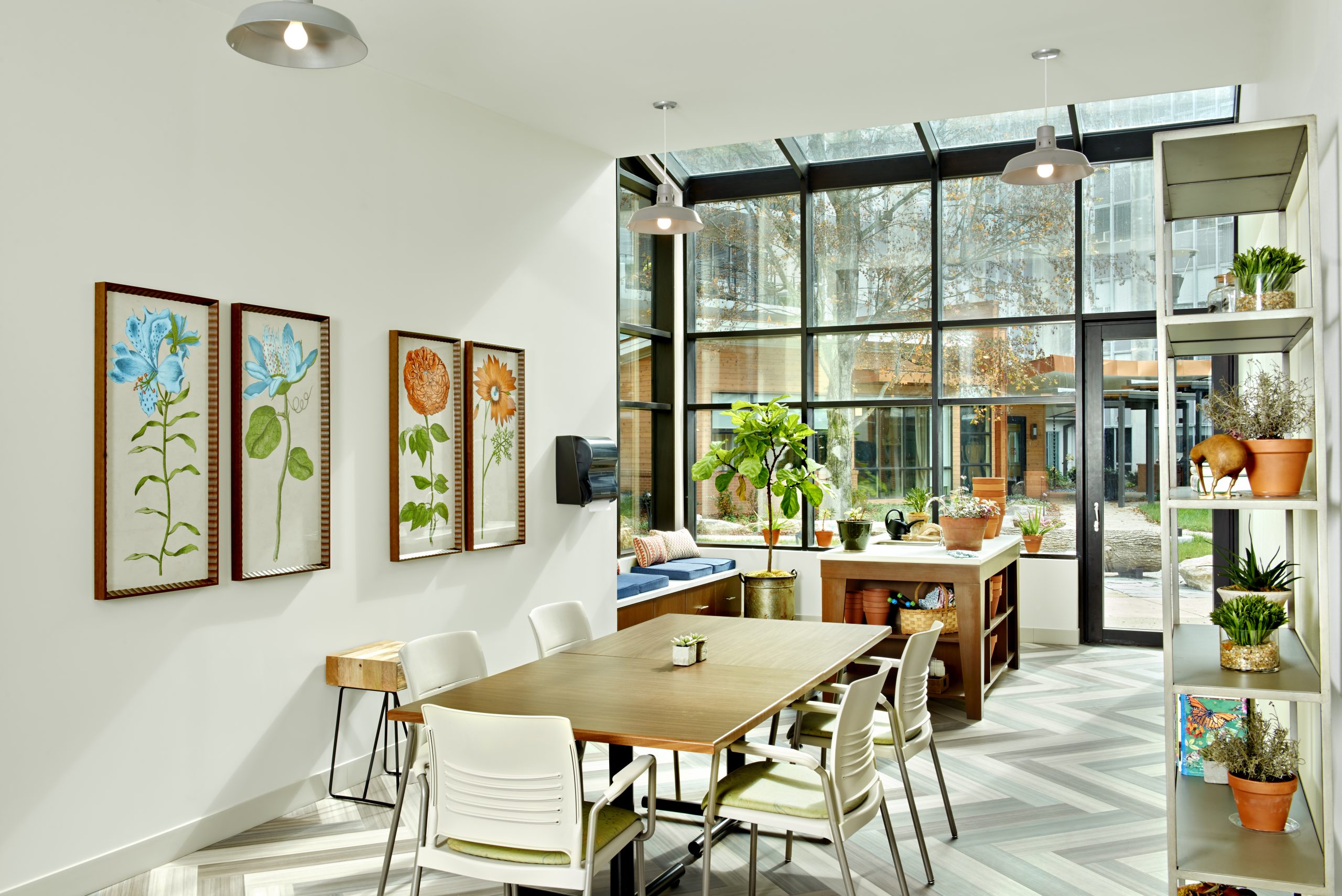
Internationally Recognized Dementia Design
Explore
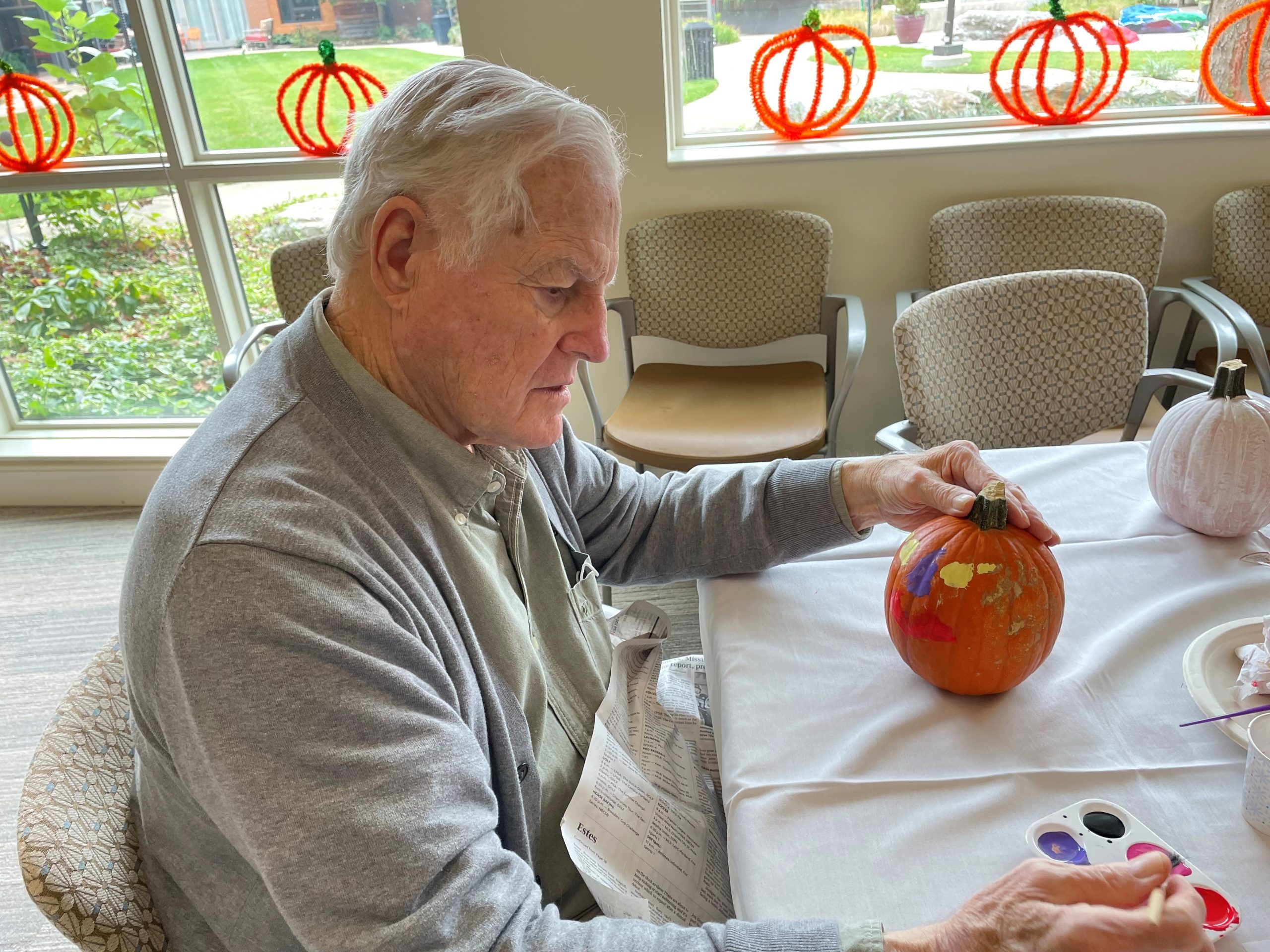
Engagement Programs
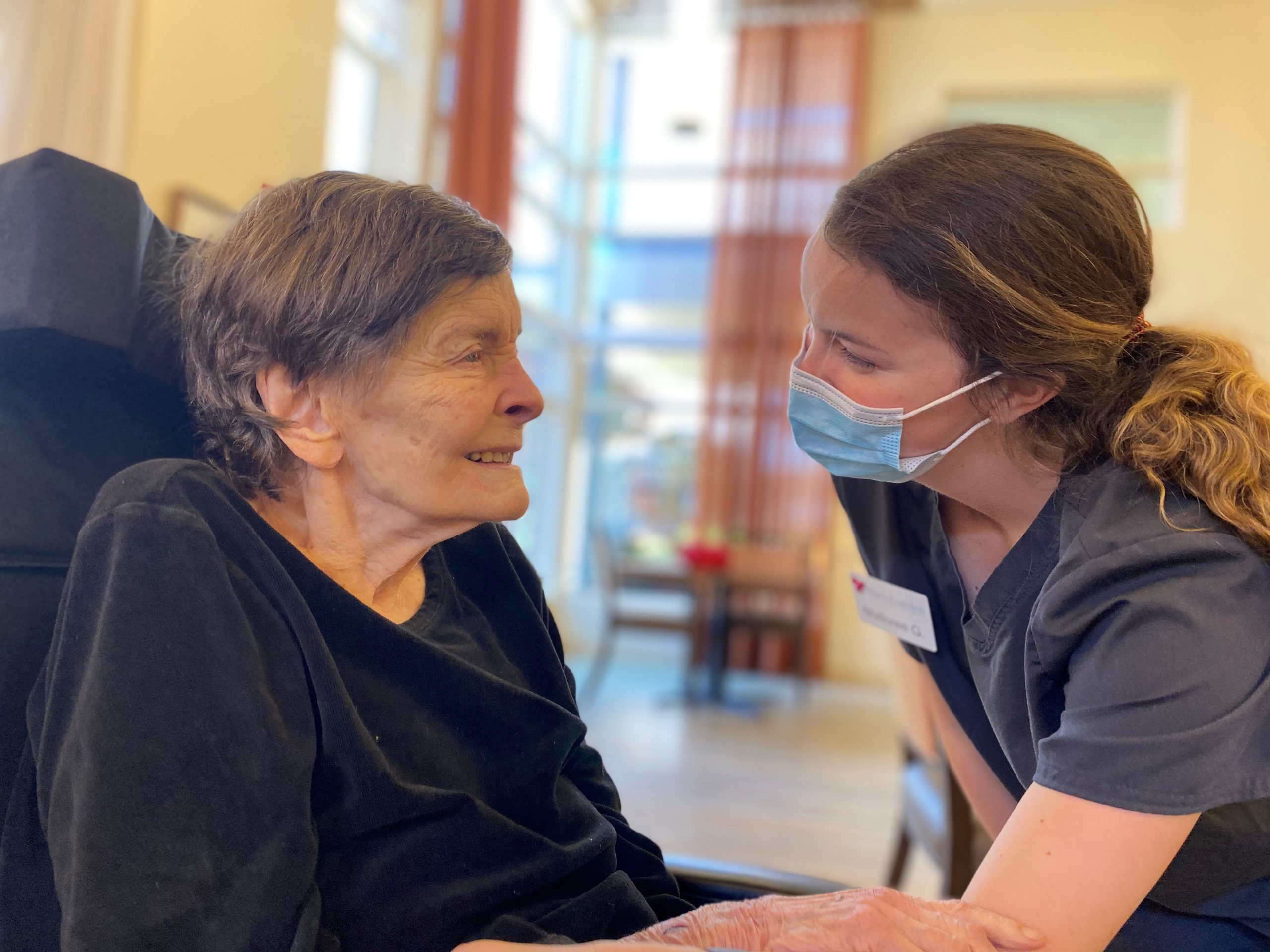
Memory Support Pillars of Focus
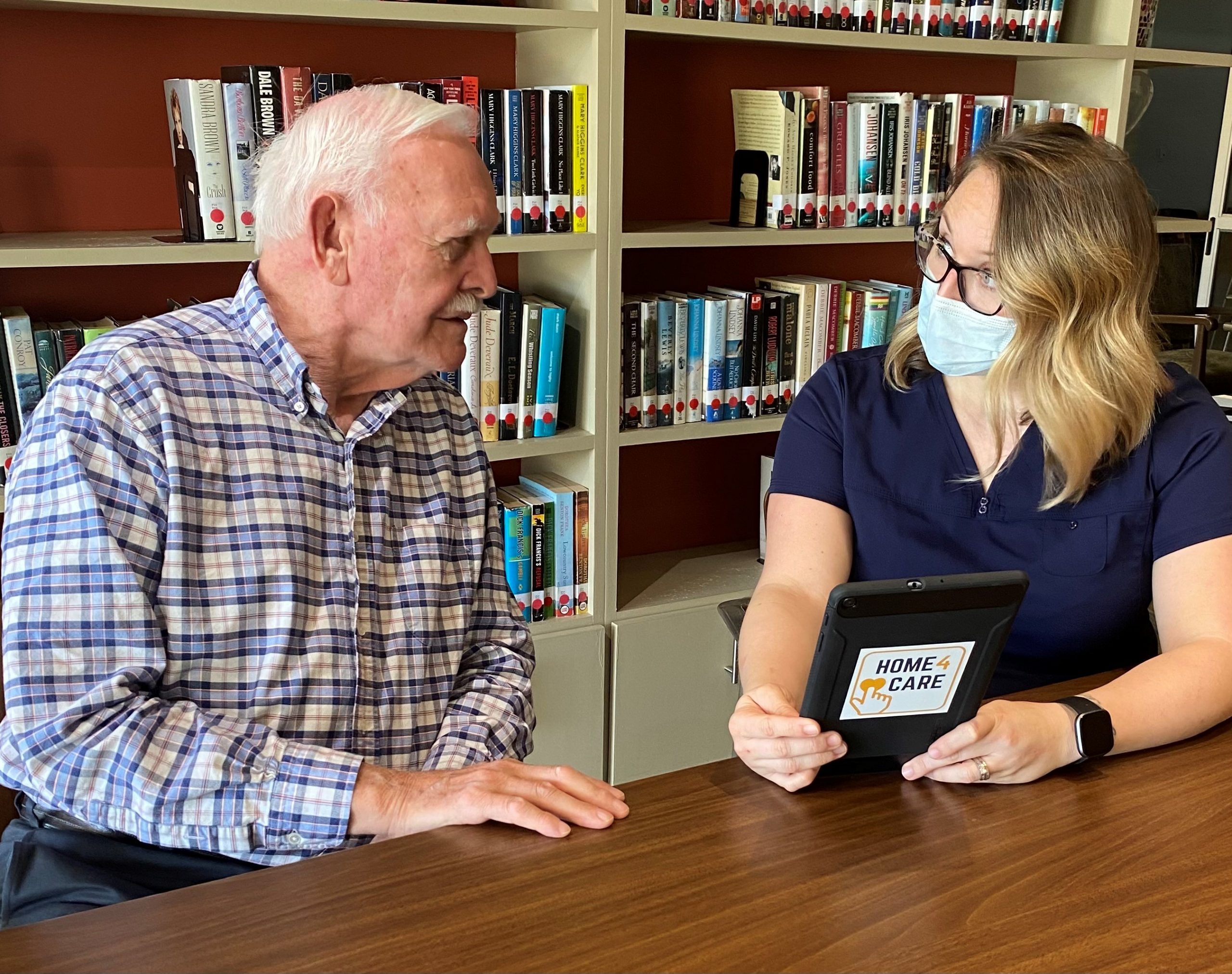
Home Caregiver Resources
Three Households with One Goal
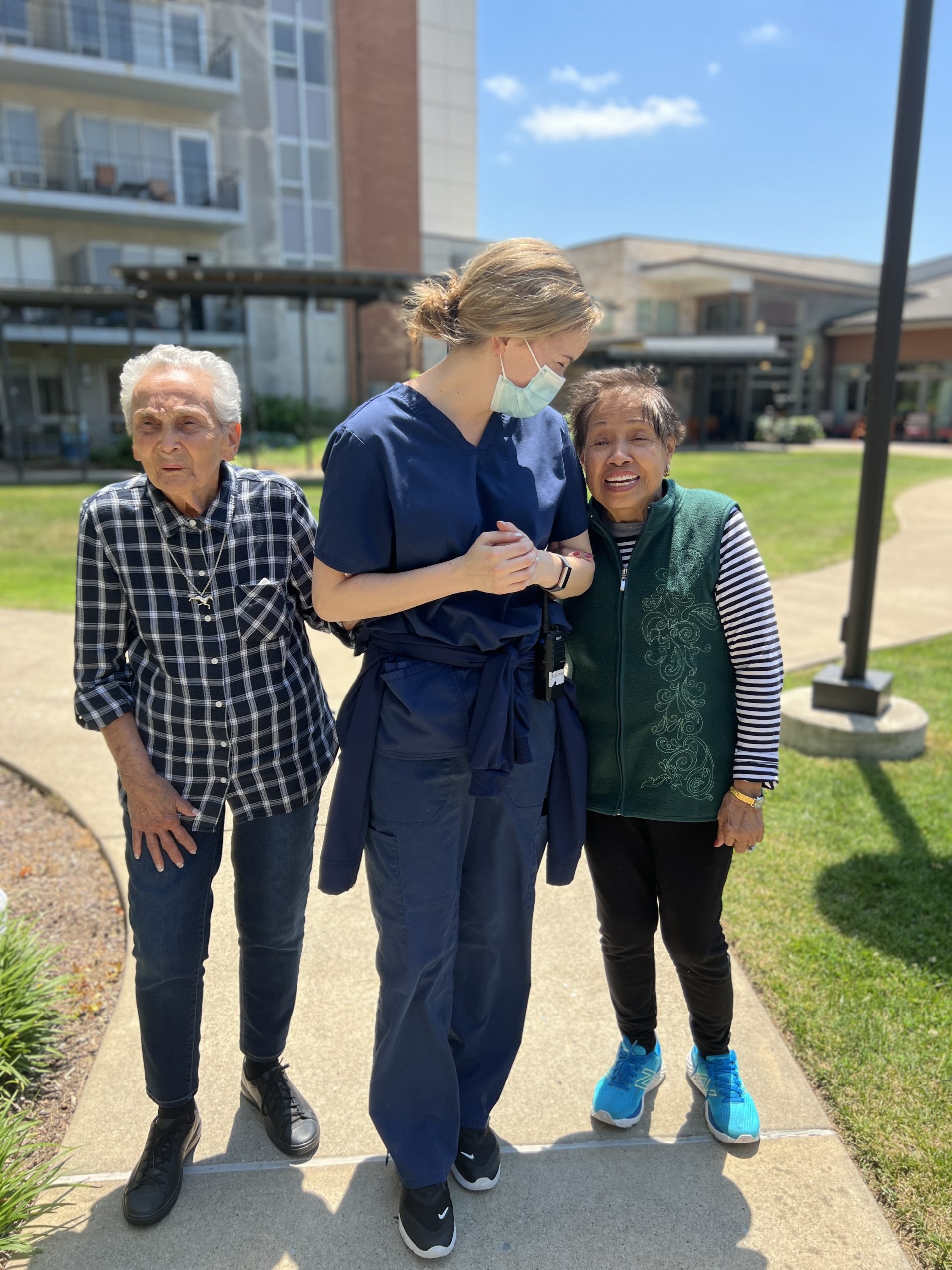
Nationally recognized aging design professionals contributed to the architecture, landscape and interiors at our memory care and assisted living communities. Purpose-built for individuals in any stage of Alzheimer’s disease or dementia, our design features three themed households: Arts & Lifelong Learning, Connection to Nature, and Music & Movement. Each neighborhood encourages socialization, learning, movement and independence without creating stress or unintentional distraction. Our entire memory support community provides easy, secure access to connect with nature and is conducive to visits from loved ones of all ages.
Memory Support Suites
Residential memory support at Abe’s Garden Community accommodates 42 residents, with 38 single-occupancy suites and two double-occupancy suites, all of which are safe, comfortable and meet the needs of our residents, their family members, and caregivers.
All-Inclusive Monthly Rent
The cost of memory support at Abe’s Garden Community is all-inclusive. Our residential memory support stays include:
- Our proven I’m Still Here® approach to dementia care
- Participation in multiple simultaneous engagement opportunities
- 24/7 nursing services, including medication management and distribution
- Daily wellness checks
- Assistance with activities of daily living, including self-care, ambulation, bathing, dressing, eating, grooming and toileting
- Three nutritious meals and snacks, plus reminders and escorts as needed
- Access to a secure and engaging purpose-built courtyard
- Housekeeping and laundry services
For the later stages of dementia, supplemental home care services and hospice care can be arranged.
Frequently Asked Questions
Q: What is the process for getting on the waiting list?
A: Our residential memory support community is currently accepting applications for its waiting list. To join, we require a nonrefundable $300 waiting list fee, which is credited back to the resident’s account upon move-in. Please contact Courtney Robinson at crobinson@abesgarden.org for an application.
Q: What happens when a resident enters the last stages of this illness?
A: It’s understood that a resident in the early stages of Alzheimer’s disease or memory loss has different engagement needs, interests and abilities than those in later stages. We are committed to keeping our residents as actively engaged in their environment as possible, regardless of their cognitive or physical abilities or mobility. In the latter stages of Alzheimer’s disease or dementia, engagement is more personal, focusing on sensory stimulation and comfort. Music, lights, fragrances, touch and taste are used to keep them engaged. During meals, our care partners guide the resident’s hands to help them feed themselves, and food is prepared to meet their needs. We will capitalize on whatever operational memory they have to keep them involved in their own activities of daily living.
Q: Under what conditions would my loved one have to move out?
A: It is our goal to guide our memory support residents throughout the extent of their life journey. Our home care staff is available should your loved one require additional care. Hospice may be invited to support families as end of life approaches. There may be circumstances in which a move to a skilled nursing facility or hospice residence is necessary. This would occur if your loved one’s behavior or health creates an unsafe environment for others. This could include a contagious illness or combative behavior that could not be safely managed by our staff. Also, a move could be required if the resident no longer met the state’s criteria for assisted living or if our team felt we were no longer able to meet their needs appropriately. These decisions would be reached with input from everyone involved in their care, and a plan would be agreed upon before any changes would be made.
Q: What kind of nursing and medical care is available on site?
Check Out Our Resources
We encourage you to check out our Resources section of the website. There you will find several helpful and educational blogs, free online guides to download and help guide your decision-making process, along with supporting videos, more helpful links and support group information!